I didn't go to Okinawa to become a martial artist. I went because I was curious. I'd never trained karate before, didn't speak Japanese, and at 39 I was carrying more uncertainty than confidence. Figuring out how to start was the hardest part.
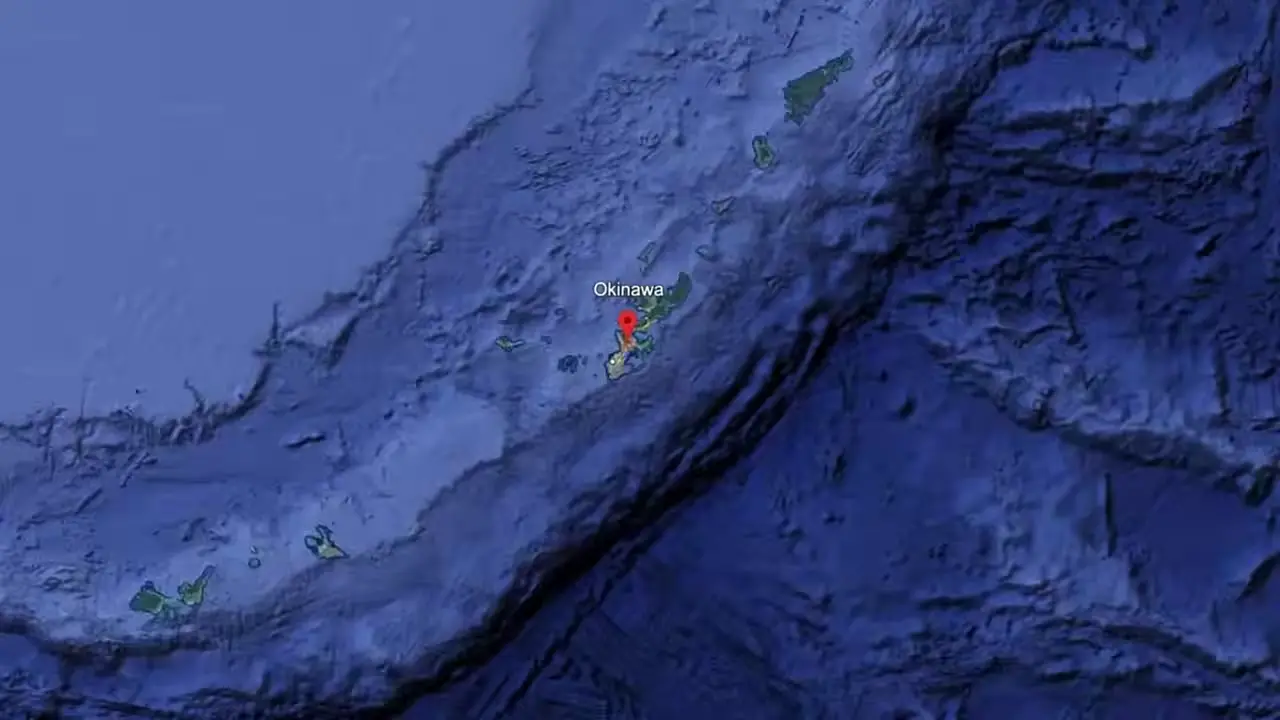
Arriving in Okinawa with no plan
I based myself in Naha in a simple Airbnb and paid around $1200 AUD for a month in April. Training happened in Uema at Kyudokan Kenshikai Sohonbu (〒902-0073 Okinawa, Naha, Uema, 1 Chome−25−9), and each bus trip was usually around ¥200-¥300 each way.
Within a few days, the commute became routine: wake up, bus ride, train, come back, repeat.
The part no one tells you
I expected to land in Okinawa, walk into a dojo, and start. Real life is messier. Most dojos don't advertise clearly, there isn't a simple sign-up flow, and without Japanese it can be hard to even know where to begin.
That is exactly why Kenny from Ageshio Japan mattered. He handled the introduction, came with me for my first sessions, translated key details, and removed the friction that usually stops beginners at the door.
Walking into the dojo for the first time
The first session was nerve-racking. The room is quiet, people are already training, and there is no big orientation. You line up, observe, and follow. It feels uncomfortable for a moment, then surprisingly normal.
The training itself
I trained in Shorin-ryu, one of Okinawa's original karate styles. The sessions looked simple from the outside: strikes, stances, kata. But the depth is in repetition and detail. Small corrections, over and over, until the movement starts to make sense.
Do not expect a tourist performance. The room is practical and direct. You copy, listen, adjust, and keep going. If you are new, the first win is not looking good. It is learning the rhythm of the class, where to stand, when to bow, when to watch, and how to take corrections without overthinking them.
The people and instructors
The atmosphere wasn't intimidating. Beginners trained alongside experienced students, and the shared focus cut through language barriers quickly.
I trained under Yoshimasa Kakazu Sensei, Hanshi 10th Dan, in his 80s and still teaching daily. Watching that level of consistency shifts your perspective. There is no performance, just discipline and continuity.
Why doing this alone is difficult
Without local guidance, you can lose days trying to answer basic questions: Which dojo? Which style? What are the expectations?
Okinawa's karate culture is local and traditional. That's the beauty of it, but it also makes access harder for visitors. Ageshio helped turn that barrier into an entry point.
Trying different karate styles in Okinawa
If you stay long enough, trying multiple styles is valuable. Through Ageshio, it's possible to explore options like:
- Shorin-ryu
- Goju-ryu
- Uechi-ryu
Each style has a different rhythm and feeling, and beginners usually need to try them to know what suits them.
How long you actually need
- A few days: exposure
- A week: real understanding starts
- Longer stays: measurable progress
For me, the longer stay made all the difference because routine replaced overthinking.
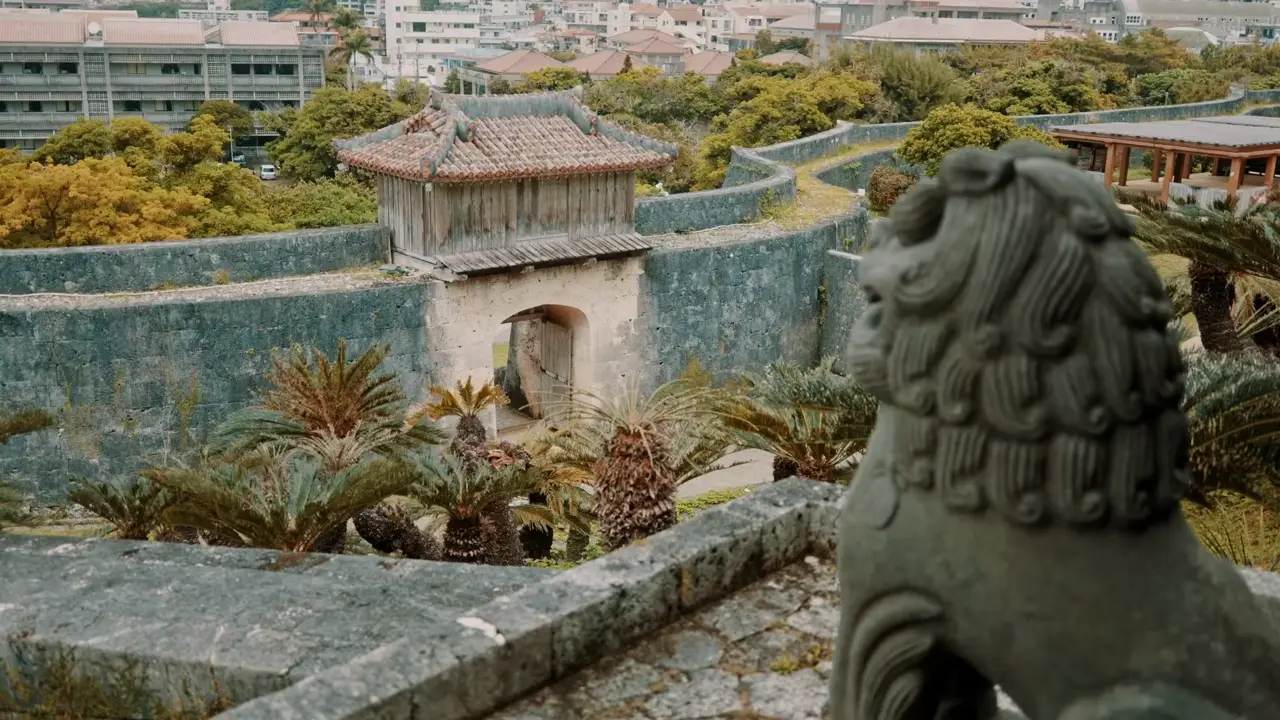
Etiquette that helped me
The safest approach is to be early, quiet, and observant. Do not walk in like you are buying a casual gym pass. Traditional dojos are personal spaces with hierarchy, routine, and a lot of unspoken expectations.
- Message before visiting and do not assume you can just drop in.
- Bring cash unless you have confirmed another payment method.
- Wear simple training clothes if you do not have a gi yet.
- Watch what senior students do and copy the room before asking too many questions.
- Keep filming separate from training unless permission is clearly given.
Practical information
- Location: Naha, Okinawa
- Dojo: Kyudokan Kenshikai Sohonbu
- Accommodation: ~$1200 AUD/month (Airbnb, April)
- Transport: Bus ~¥200-¥300 each way
- Experience level: Beginner-friendly with local guidance
If you only have a few days in Okinawa, use a guide or introduction service and keep your expectations realistic. If you have a month, choose accommodation based on the commute rather than only beach access. The difference between a 20-minute and 60-minute trip matters once training becomes part of your week.
Final thoughts
Learning karate in Okinawa isn't just about finding a class. It's about finding the right environment and the right entry point. With support from Ageshio, it became accessible enough to actually experience the tradition properly.
If you've been thinking about training in Okinawa, even from absolute zero, it is possible.